
Pre-Season Updates For Hampshire
Keep an eye on our players as they prepare for the upcoming 2026 season

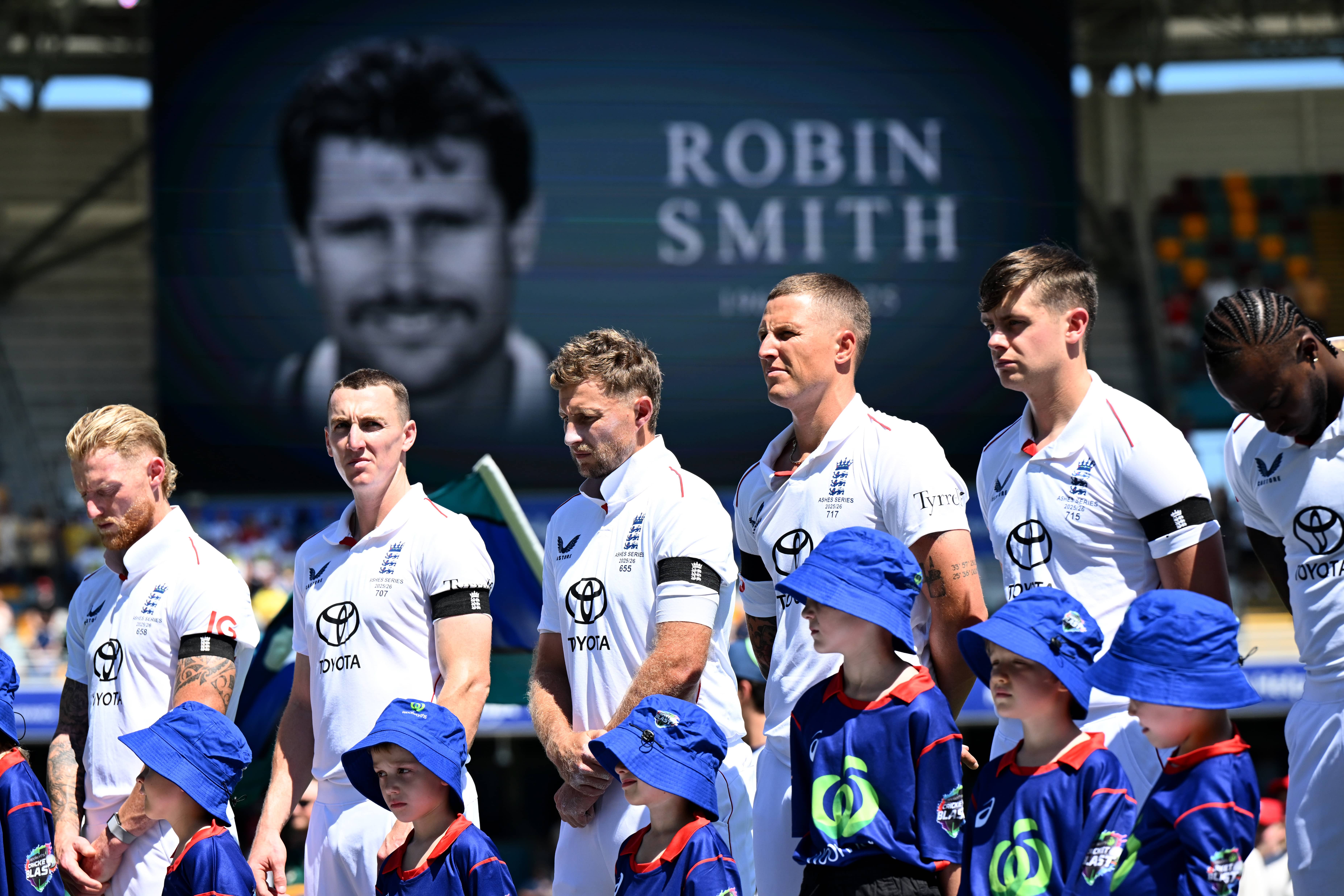
Robin Smith's Ashes career stands as a testament to individual brilliance amid team struggle. Across 15 Tests against Australia, the Hampshire legend scored 1,074 runs at 39.77 with two magnificent centuries and seven half-centuries, yet never played in a winning England side against the old enemy. The 1989 series, where he carried England's batting with 553 runs at 61.44, announced him as one of the world's finest batters and cemented his place among the greats who wore the Three Lions against Australia.
While England crumbled to a 4-0 Ashes defeat in 1989, Robin Smith produced one of the finest individual performances in the series' history. His 553 runs at 61.44 made him England's leading run-scorer by a vast margin. The next-best English batter who played more than one Test averaged just 39.25. As England's wickets tumbled around him, Smith stood defiant.
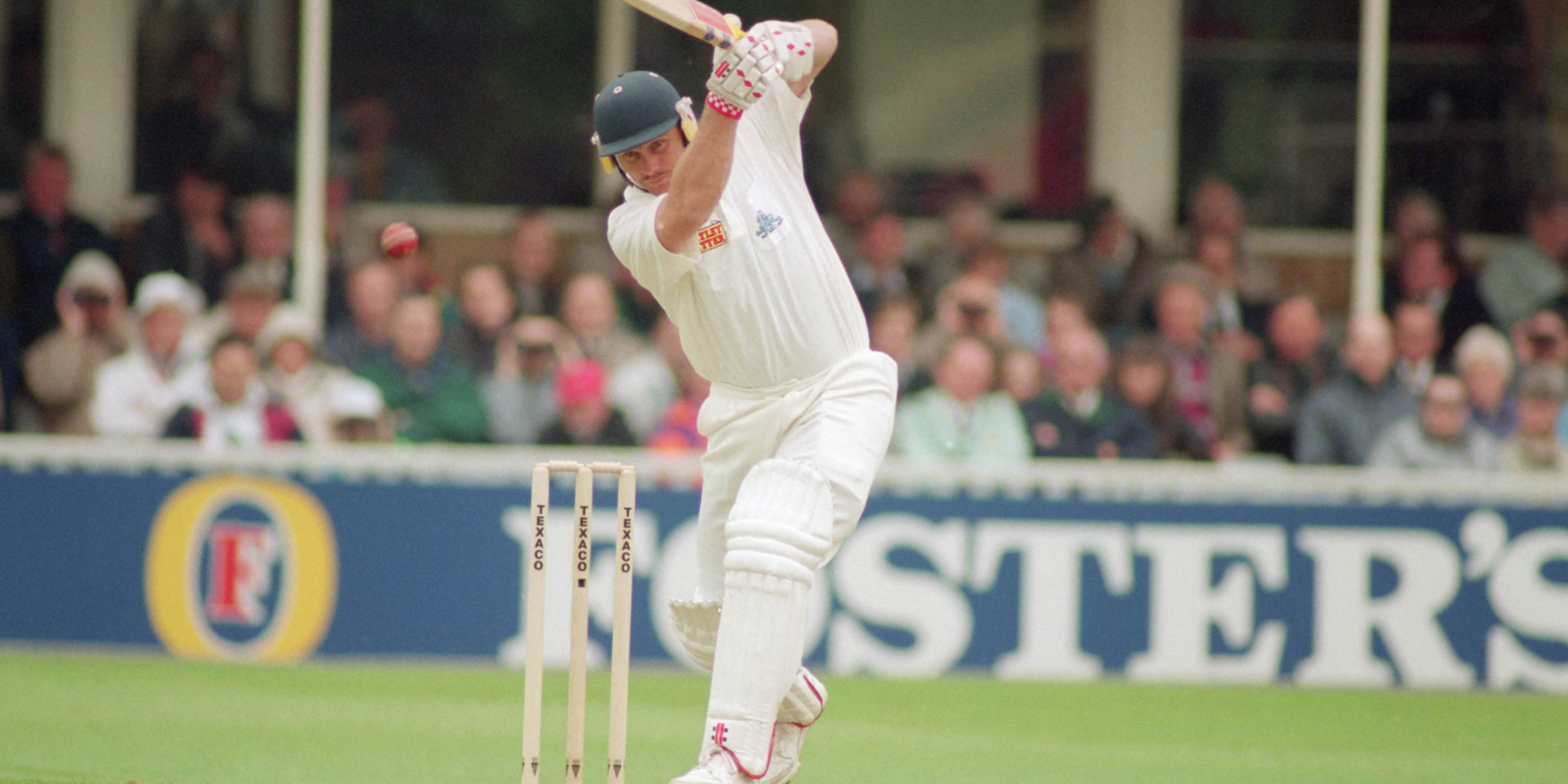
Old Trafford brought his maiden Test century, a magnificent 143 from 285 balls with 15 fours. England had slumped to 23-2 when Smith strode to the crease; the next-highest score in the innings was just 39. Against Terry Alderman's devastating seam bowling (who took 6-72), Merv Hughes's aggression, and the guile of Trevor Hohns, Smith announced himself as a batter of genuine Test class.
Two weeks later at Trent Bridge, he did it again. Facing an Australian mountain of 602-6 declared, England collapsed to 14-3. Smith counter-attacked with 101 from 150 balls, specifically targeting Merv Hughes and reducing his figures to an extraordinary 4-0-38-0 at one stage. English supporters watched in delight as Smith launched into his trademark square cuts, demolishing the Australian attack with brutal power.
These performances earned Smith the Wisden Cricketer of the Year award in 1990, recognition of a summer where he thrived amid England's chaos.
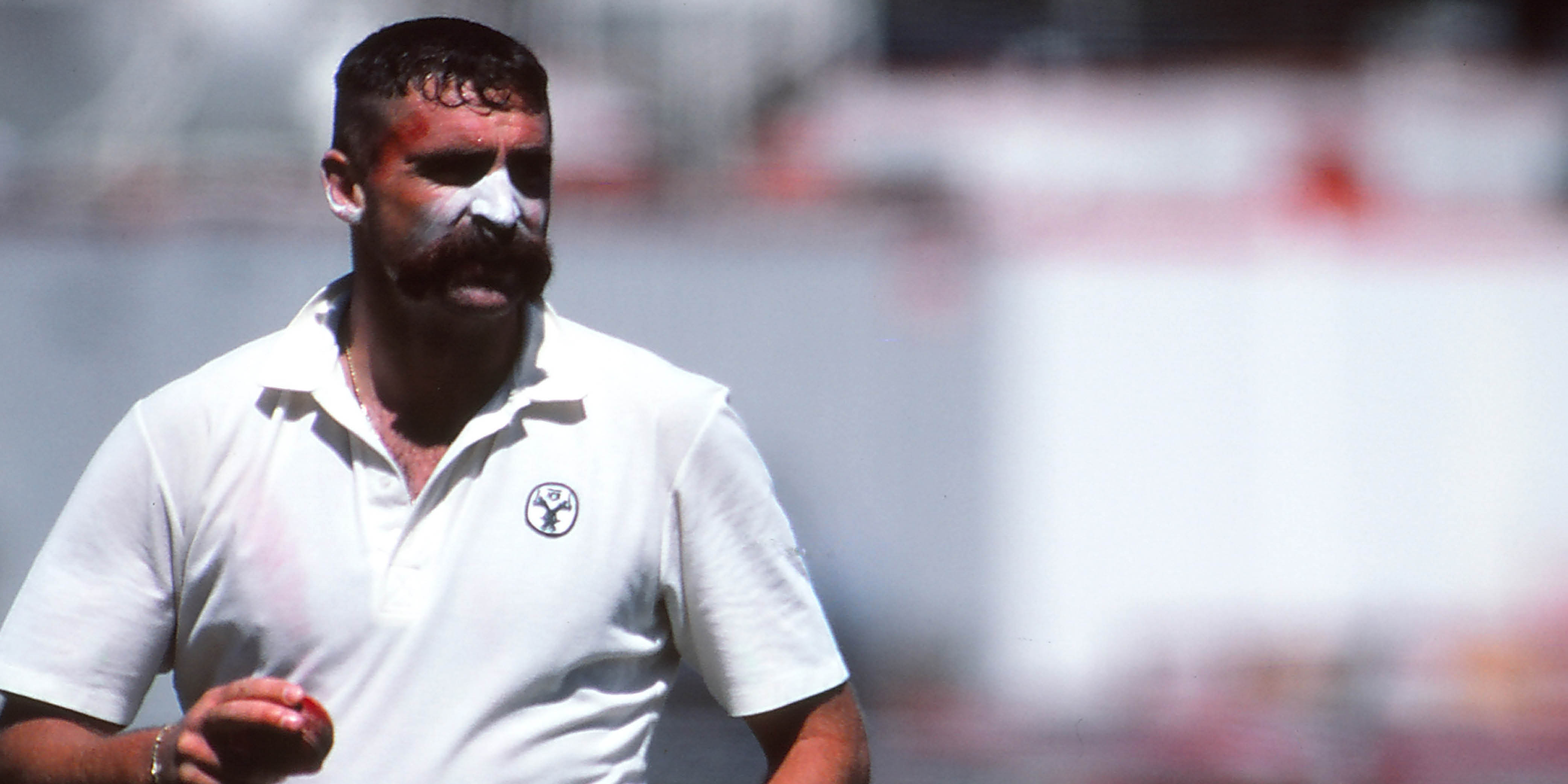
The Smith-Hughes rivalry produced one of cricket's most celebrated sledging exchanges. After Smith played and missed at Lord's in 1989, Hughes snarled: "You can't f**** bat." Smith smashed the next delivery to the boundary and replied with a grin: "Hey Merv, we make a fine pair. I can't f**** bat and you can't f**** bowl."
The rivalry was fierce but respectful. Hughes later spoke admiringly of Smith's courage. At Trent Bridge, Smith's sustained assault on Hughes's bowling became a defining image: the Judge demolishing the moustachioed quick with square cuts that seemed to defy physics.
Smith played 15 Tests against Australia, scoring 1,074 runs at 39.77 with two centuries and seven half-centuries. He never played in a winning England side against Australia, yet his individual contributions repeatedly stood as beacons in woeful team performances.
The 1990-91 series in Australia brought new challenges on faster, bouncier pitches. The 1993 series saw him struggle against Australia's spinners, with Shane Warne and Tim May combining to dismiss him seven times in 10 innings, though this perceived vulnerability to spin masked his excellence against subcontinental bowling elsewhere (he averaged 63 against India and 67 against Sri Lanka).
As Mark Nicholas noted: "They say he was crap against spin, but the statistics tell a different story."
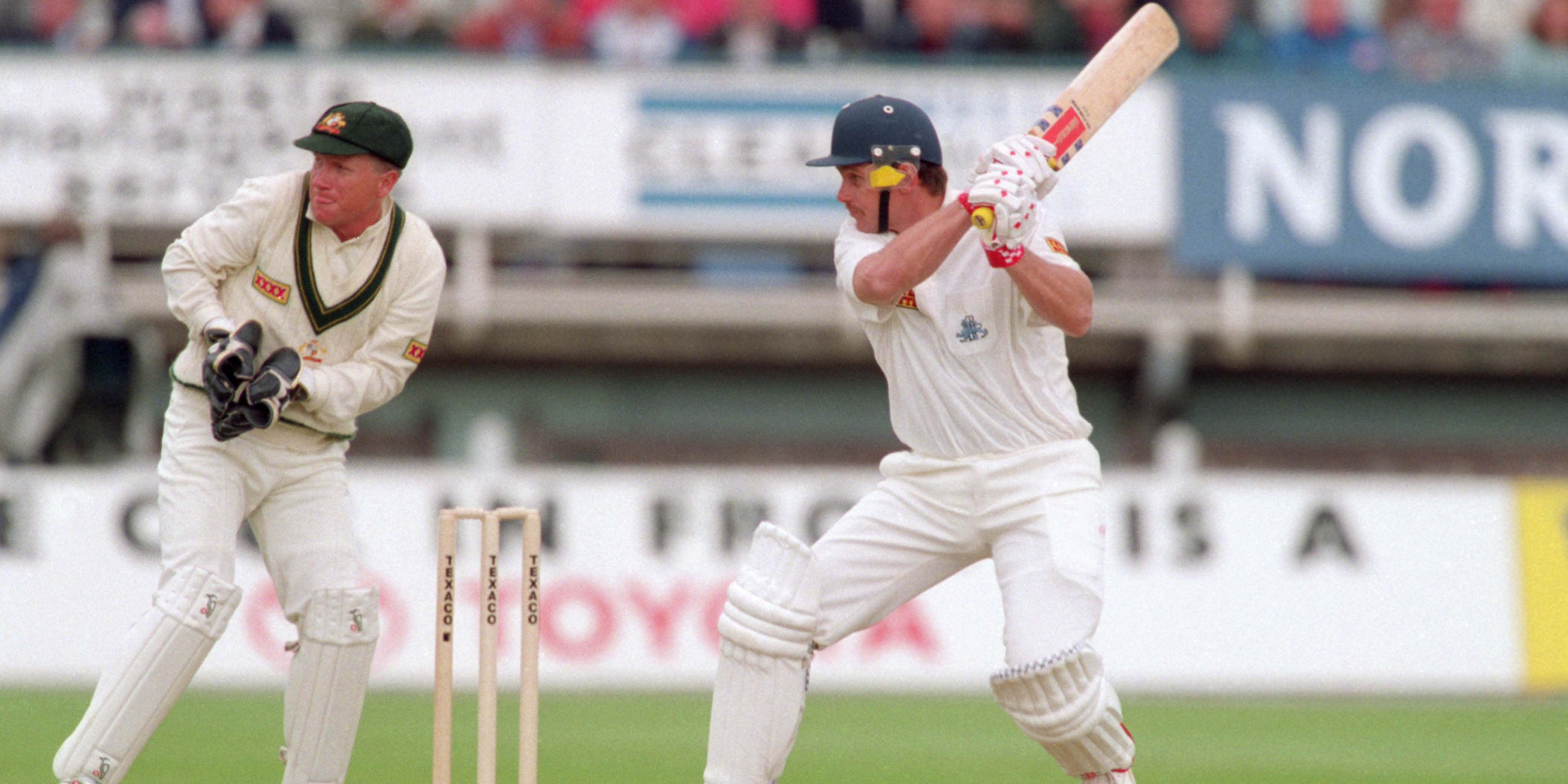
On 25 May 1993, Smith played arguably the greatest ODI innings by an England batter. At Edgbaston in the Texaco Trophy, he struck 167 not out from 163 balls, 17 fours, 3 sixes, against Australia. The innings remained England's highest individual ODI score until Alex Hales surpassed it in 2016, 23 years later.
That England lost the match by six wickets despite Smith's heroics captured something essential about his Ashes career, individual brilliance often occurring when team results proved elusive.
For Hampshire supporters, Smith wasn't just an England star; he was our player who battled Australia. His 21-year Hampshire career (1982-2003) produced 18,984 first-class runs at 42.09 with 49 centuries, yet he would rush back from Test matches to play for the county he loved.
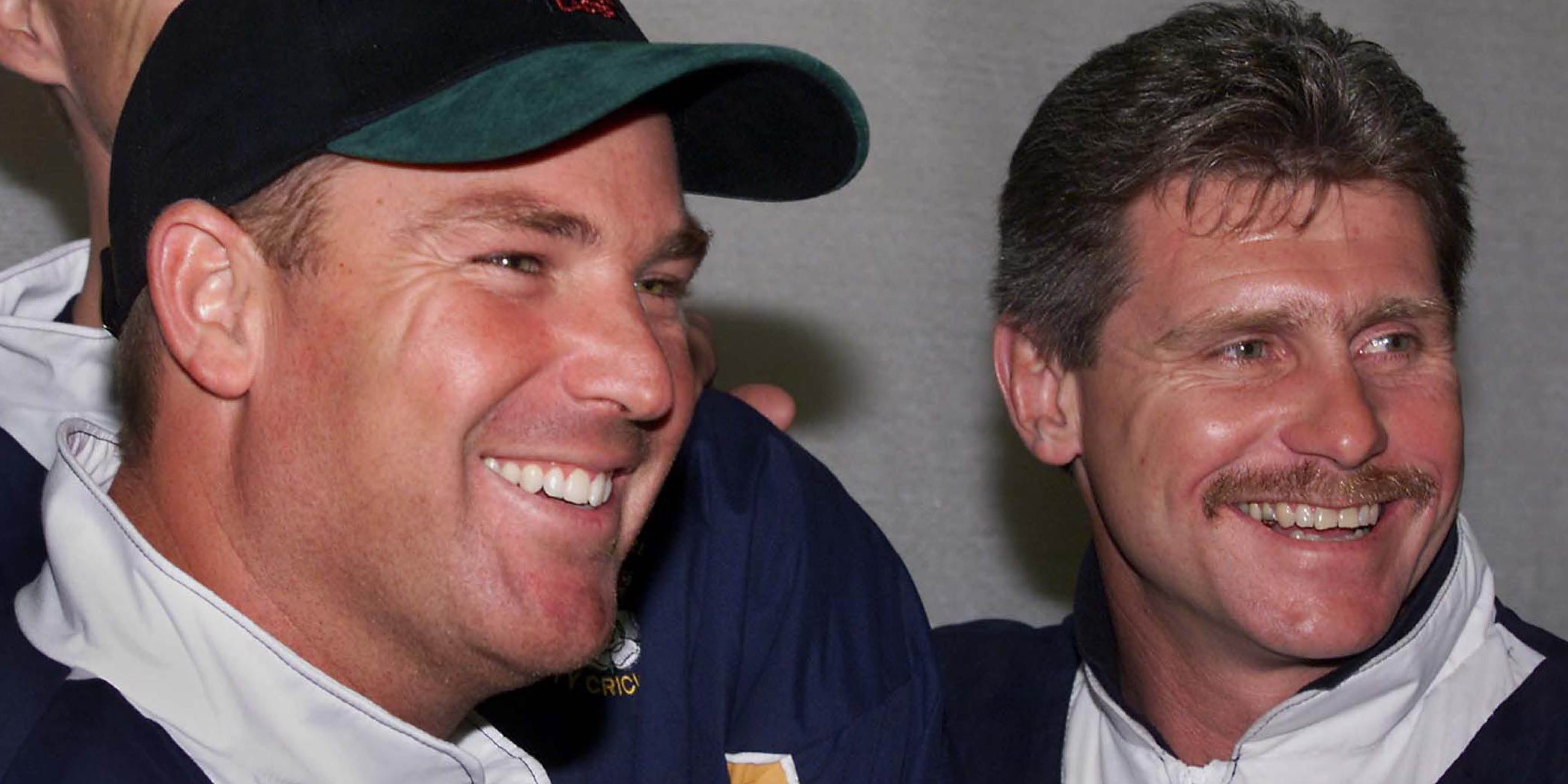
Beyond his incredible performances on the field, Smith also left a lasting legacy as captain in 2000 when he recruited Shane Warne, his Ashes tormentor turned lifelong friend. Warne later wrote: "One of the main reasons I came to Hampshire in 2000 was to play with him. No praise is too high for Robin Smith... He is the nicest guy I have ever met."
The two shared the same birthday (13 September), and their friendship transcended their on-field battles. Hampshire has permanently honoured Smith with The Robin Smith Suite at Utilita Bowl.
Smith famously chose not to wear a grille on his helmet, facing the world's fastest bowlers with just the basic shell and side pieces. In his autobiography, The Judge, he explained:
"When I tried wearing a grille, I felt claustrophobic and maybe a bit complacent. Having no grille meant there was an added sense of danger, which added to the appeal. I loved the challenge, the enormous adrenaline rush, the test of my technique, reflexes and courage. Seriously, the quicker the better."
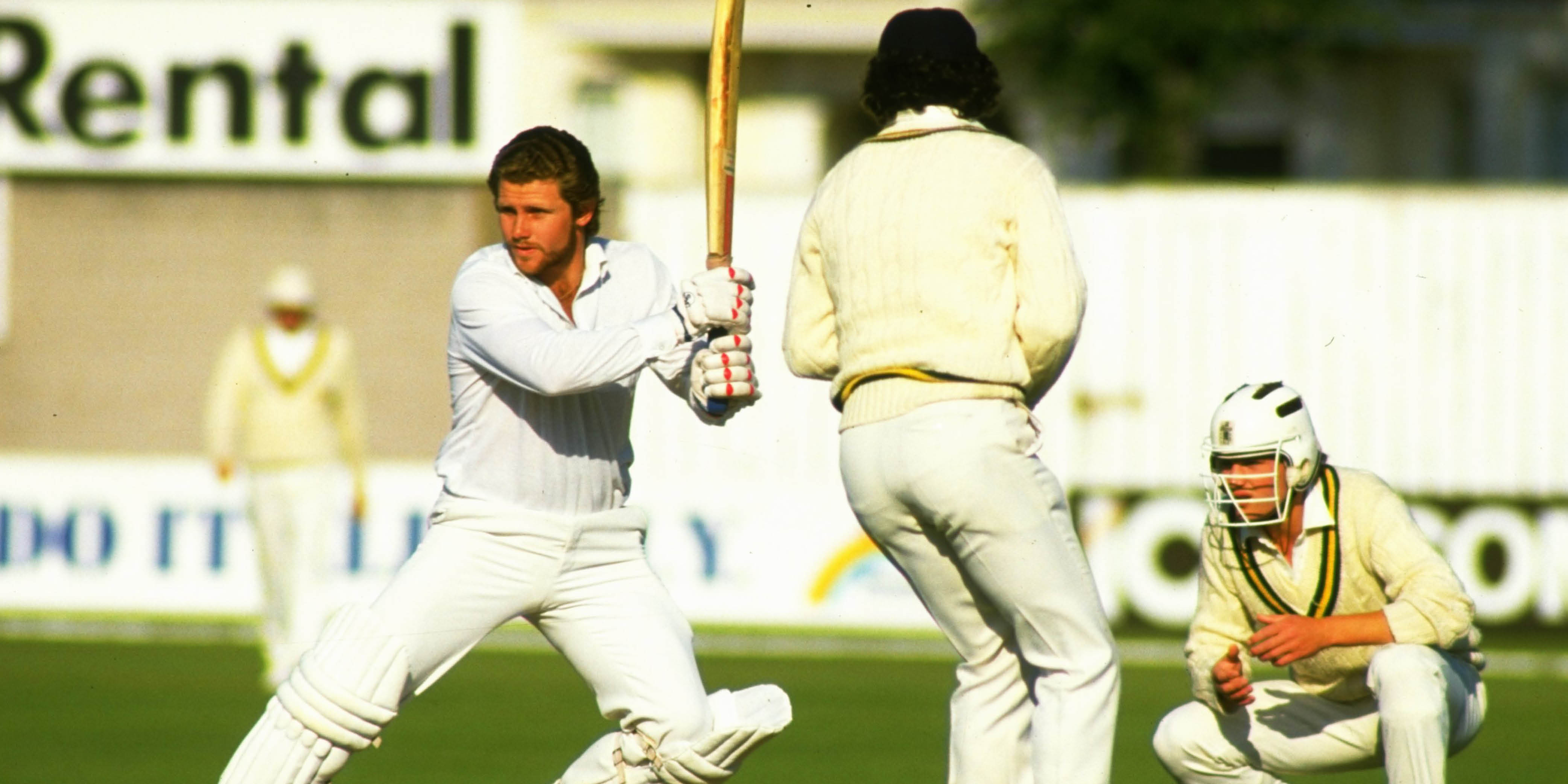
This fearlessness defined his entire career. Against the West Indies, he faced Curtly Ambrose, Courtney Walsh, Malcolm Marshall and Patrick Patterson without flinching. In Antigua in 1990, Walsh targeted him with 11 bouncers in 12 deliveries, one crashing into his jaw. Smith grinned and carried on.
In the Ashes, whether facing Merv Hughes, Craig McDermott, or the raw pace of Geoff Lawson, Smith stood tall beneath his grille-less helmet and launched into his trademark square cut.
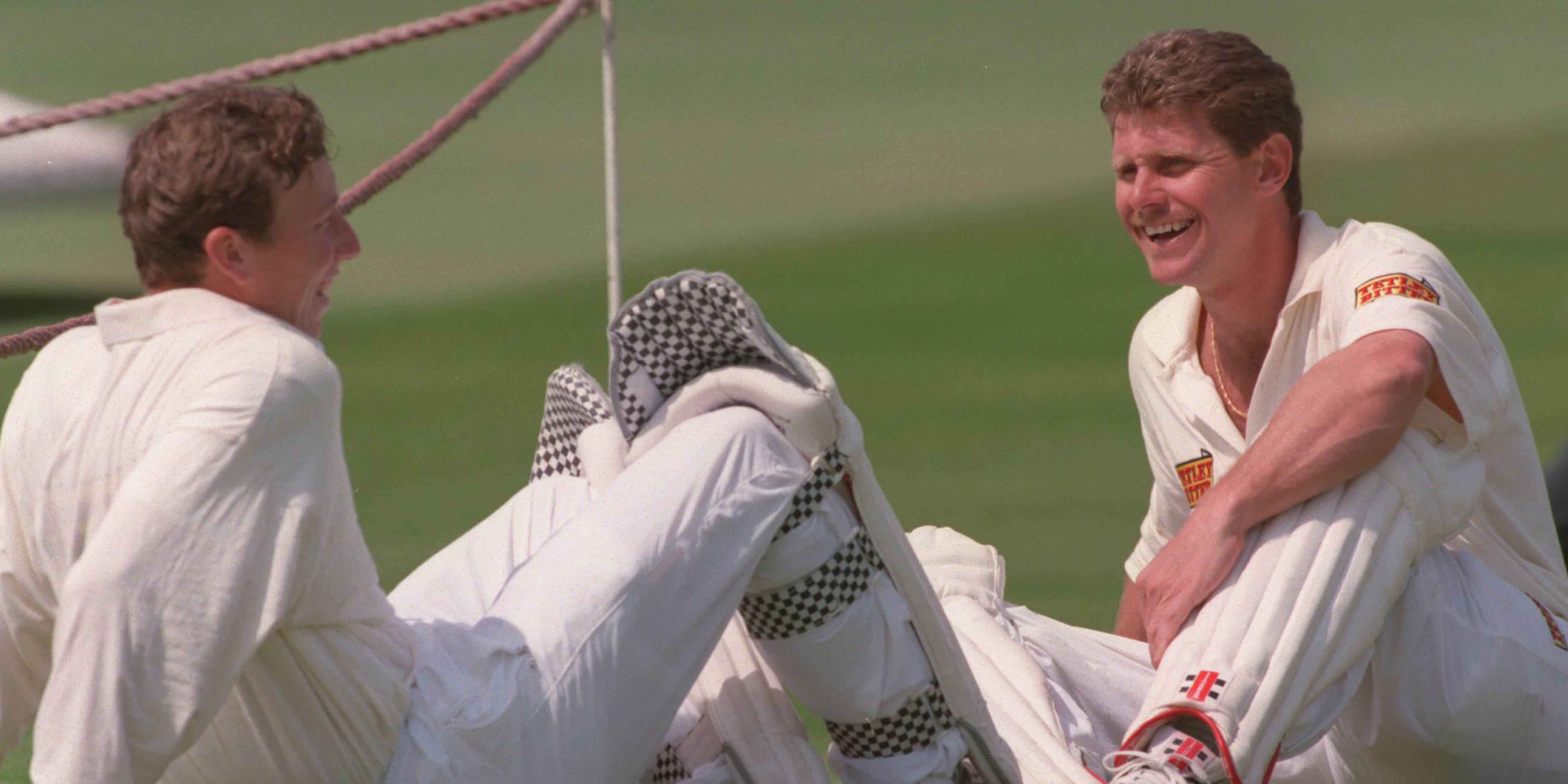
Nasser Hussain: "When I was growing up, I either wanted to play the David Gower square drive or the Robin Smith square cut. He could not have been nicer to me. There was no greater sight than seeing The Judge either taking on a fast bowler or ducking and weaving out of the way of the fastest bowling."
Michael Atherton: "Off the field he was quite shy, actually. But the life and soul of the party, a very, very popular teammate, someone who would do anything for you."
Mark Ramprakash: "While Smith was a phenomenal batter, he was an even better person and teammate. And then there's the person, who was more admirable still."
In 2001, Smith faced Australia one final time in first-class cricket, captaining Hampshire at the Rose Bowl on 28-30 July. Australia, touring England for the Ashes, arrived as overwhelming favourites. But Hampshire's captain had other ideas.
Smith scored 113 from 277 balls in the first innings, his fourth century against the Australians. Alongside Neil Johnson (88), he guided Hampshire to 354 after bowling Australia out for just 97, their fourth-lowest total in a first-class match at the ground. Shane Warne took 4-31, but it wasn't enough.
Chasing 133 in the final innings, Hampshire scrambled home by two wickets in a thrilling finish. It was only the second time Hampshire had beaten Australia since 1912, 89 years between victories.
It was a fitting farewell to his battles against the old enemy. Still defiant, still dangerous, still the Judge.
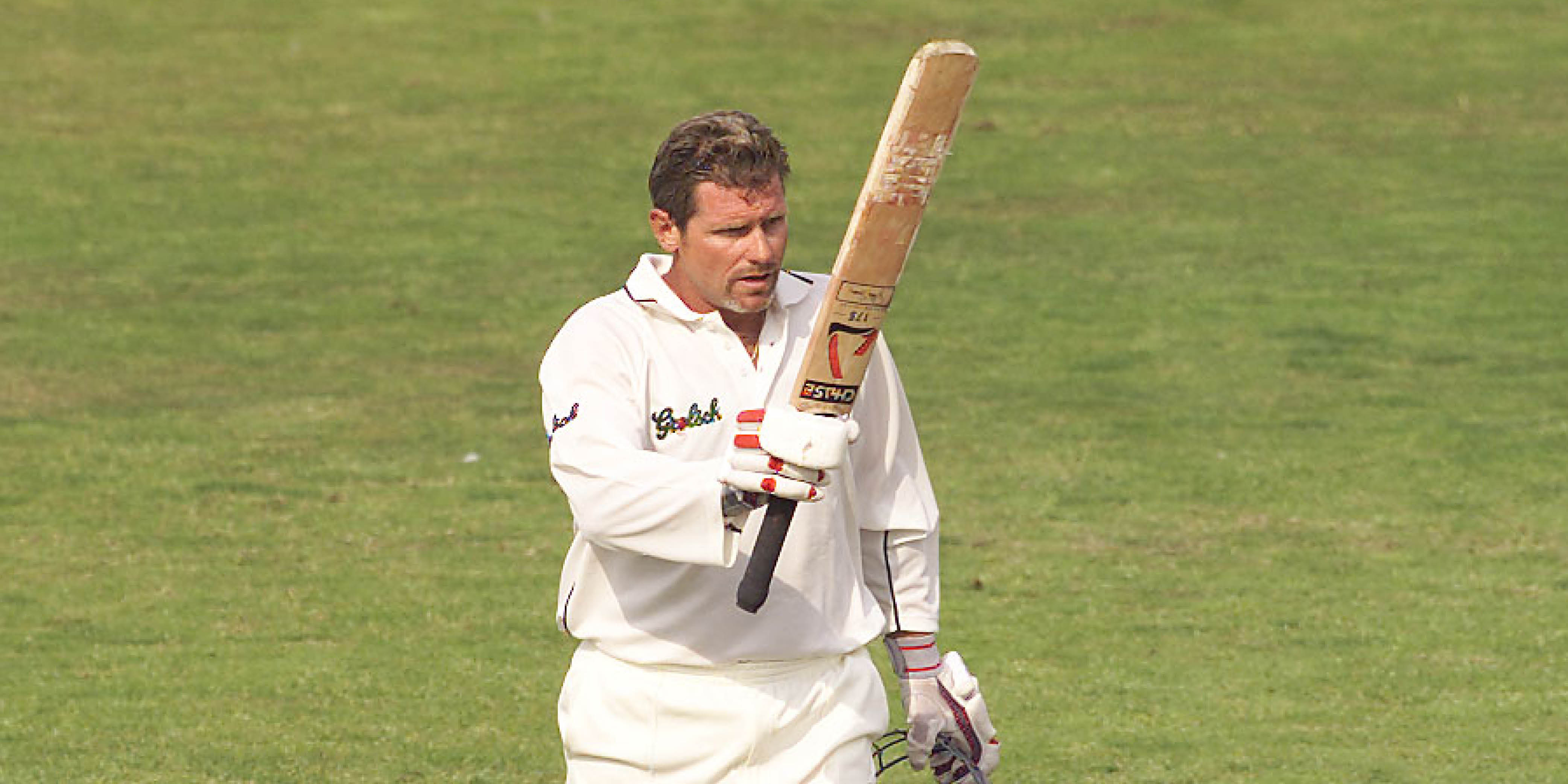
ECB Chair Richard Thompson captured it perfectly: "Robin Smith was a player who stood toe to toe with some of the quickest bowlers in the world, meeting spells of hostile fast bowling with a defiant smile and an incredible resilience. He did so in a way that gave England fans enormous pride, and no shortage of entertainment."
Hampshire Group Chairman Rod Bransgrove added: "Robin Smith is one of the greatest, if not the greatest, of all time Hampshire Cricket heroes. He was a batter of awesome power and control, and amongst the most courageous players this club has ever seen – especially against bowling of real pace."
Against Australia, Smith averaged 39.77, but statistics alone cannot capture his impact. In an era when England struggled desperately against a dominant Australian side, Smith provided moments of defiance, brilliance, and unforgettable courage.
His 1989 series remains the gold standard for an English batter in a losing Ashes campaign. His 167 not out in 1993 stood as England's ODI record against any opponent for 23 years. His battles with Merv Hughes became the stuff of legend.
Robin Smith never won an Ashes series. But he won something more enduring, the respect of opponents, the admiration of teammates, and the eternal affection of cricket lovers who watched him stand tall when England needed him most.
The Judge faced Australia without fear, without compromise, and without a grille on his helmet. In doing so, he became an Ashes legend.
Keep an eye on our players as they prepare for the upcoming 2026 season
Looking back on Hampshire Cricket history, we pay tribute to the County Championship and ODC kits featured at the Bowl... 25 years in the making.
A total of 21 Hawks players were included in the longlists for the Hundred auctions